This site is no longer being updated.Please visit the new Center for Integrative Research in Computing and Learning Sciences (CIRCLS) website to learn about the new Research on Emerging Technologies for Teaching and Learning (RETTL) solicitation and connect with NSF-funded researchers who explore and investigate emerging learning technologies. |
|


Ambitious Mashups: Reflections on a Decade of Cyberlearning Research
What did we learn from over eight years of research ...

Artificial Intelligence (AI) Resources
Learn about Artificial Intelligence (AI) funding opportunities and related resources ...
NSF Webinar: National AI Research Institutes Program
September 21, 2020, 3:30pm to 5:00pm Register for this Webinar ...

Practicing Connections: A Framework to Guide Instructional Design for Developing Understanding in Complex Domains
Research suggests that expert understanding is characterized by coherent mental ...

A Review of Fundamentals and Influential Factors of Artificial Intelligence
Artificial intelligence (AI) is a trend that is currently leading ...

Algorithmic Fairness in Education
Data-driven predictive models are increasingly used in education to support ...


Mining Big Data in Education: Affordances and Challenges
The emergence of big data in educational contexts has led ...

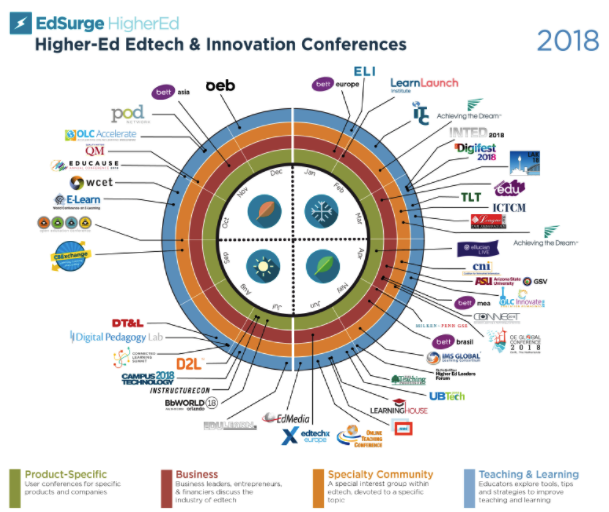
Conferences
There are no upcoming events.
|
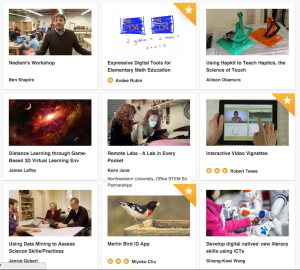
Video Showcases
The annual STEM Video Showcase features hundreds of videos about innovative NSF-funded projects. Check out 2019, 2018, 2017, 2016, and 2015 Showcase Videos. |
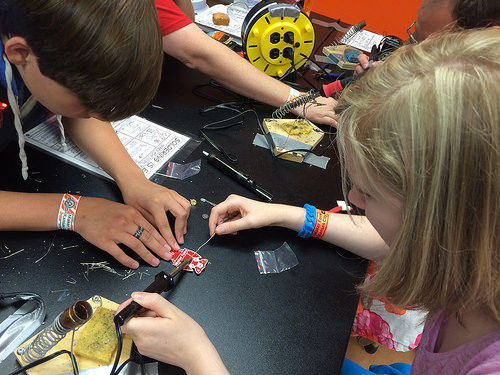
Educators’ Corner
Cyberlearning Educators’ Corner gives educators a sneak preview of next generation technologies. Want to contribute to the educators’ blog? Contact CIRCL |